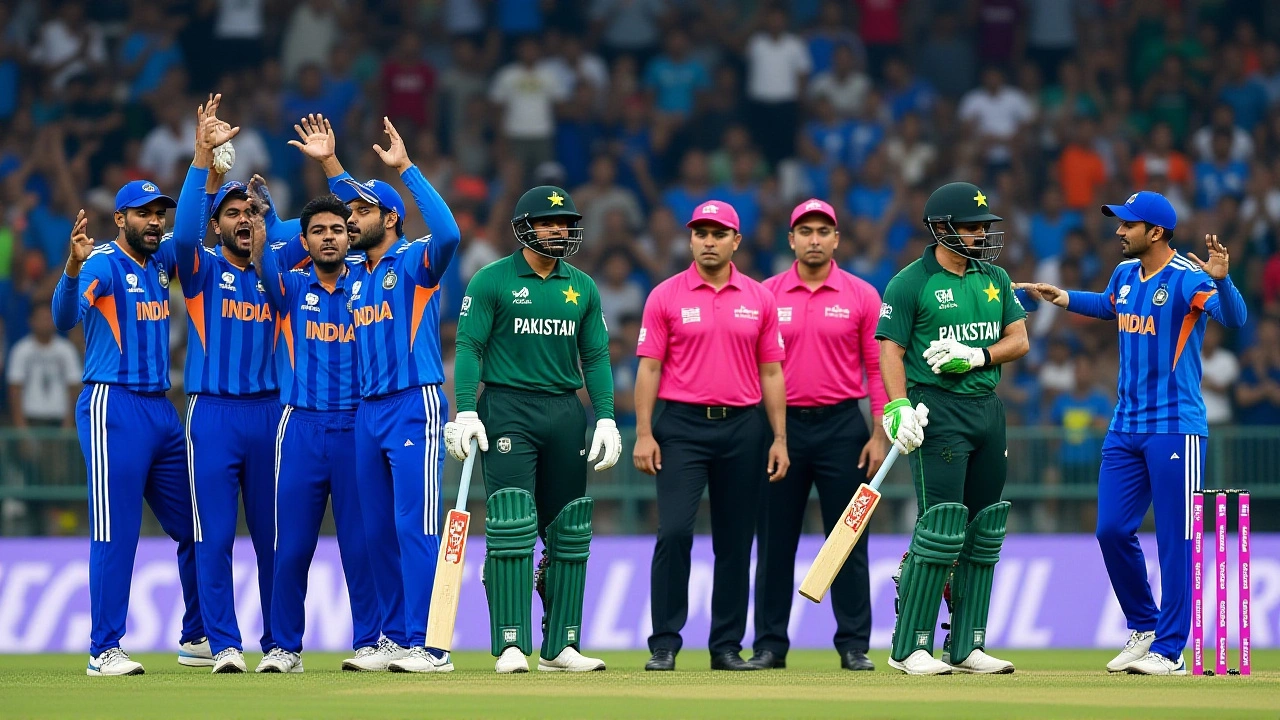
When Ishan Kishan, wicketkeeper-batsman for Team India, smashed a blistering 77 off just 40 balls, the fate of the match was sealed. It wasn't just another win; it was a statement. On Sunday, February 15, 2026, at the iconic R Premadasa Stadium in Colombo, Sri Lanka, India didn’t just beat Pakistan—they dismantled them by 61 runs.
This wasn't merely a group stage game. It was Match 27 of the ICC Men’s T20 World Cup 2026R Premadasa Stadium, and the tension was palpable from the moment the teams walked out. But while nerves usually fray in India-Pakistan clashes, this time, one side stayed ice-cool while the other unraveled completely.
A Masterclass in Control
Here’s the thing about cricket rivalries: they’re often decided in moments, not minutes. And this match? It was decided early. Salman Agha, captain of Pakistan, won the toss and made the classic decision—bowling first. He thought he’d trap India on a tricky surface. Instead, he handed them a platform to dominate.
India posted 176 all out in their 20 overs. Not a massive total, perhaps, but built with precision. The real story, though, was what happened next. Pakistan, chasing a target that should have been manageable, collapsed under pressure. They were bowled out for just 114. Sixty-one runs. That’s not a close contest; that’s a rout.
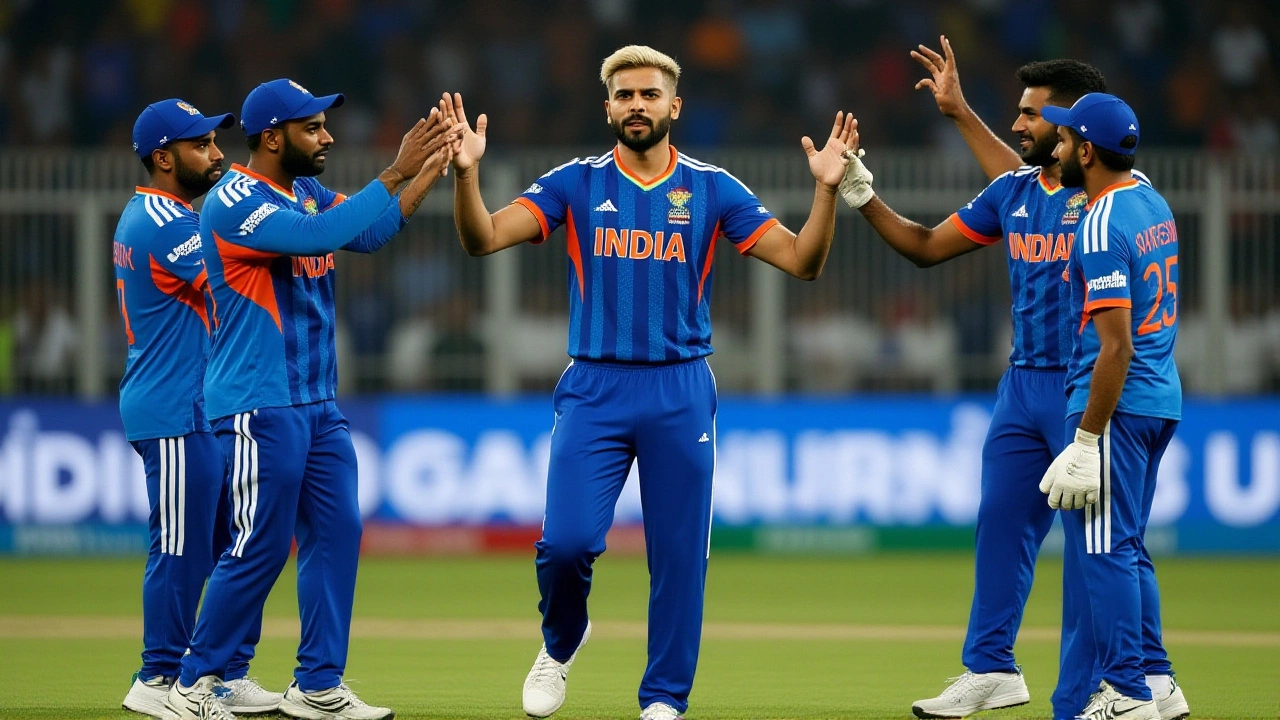
Turns out, Pakistan’s batting lineup had no answer for India’s spin-heavy attack. Kuldeep Yadav and Varun Chakravarthy turned the wicket into a cauldron, while Jasprit Bumrah cleaned up the tail with surgical accuracy. Pakistan’s middle order, featuring stars like Babar Azam and Shadab Khan, simply couldn’t find rhythm against disciplined fielding and relentless bowling variations.
Ishan Kishan: The Unlikely Hero
If you’re looking for the man of the match, look no further than Ishan Kishan. His 77 wasn’t just a score—it was a performance that shifted the momentum entirely. Facing the new ball and then settling in, Kishan played shots that reminded everyone why he’s considered one of the most destructive left-handers in world cricket today.
His strike rate? Over 190. He didn’t just score runs; he accelerated when it mattered most. While earlier innings might have seen him take risks too early, here, he waited. He watched. Then he struck. By the time he reached fifty, the crowd at the R Premadasa was already sensing history in the making.
Interestingly, Kishan’s form has been inconsistent this tournament, but this knock silenced critics instantly. “He’s got that X-factor,” said former Indian captain Sourav Ganguly during post-match analysis. “When he gets going, there’s no stopping him. Today, he proved he can deliver on the biggest stage.”
Super 8 Qualification Secured
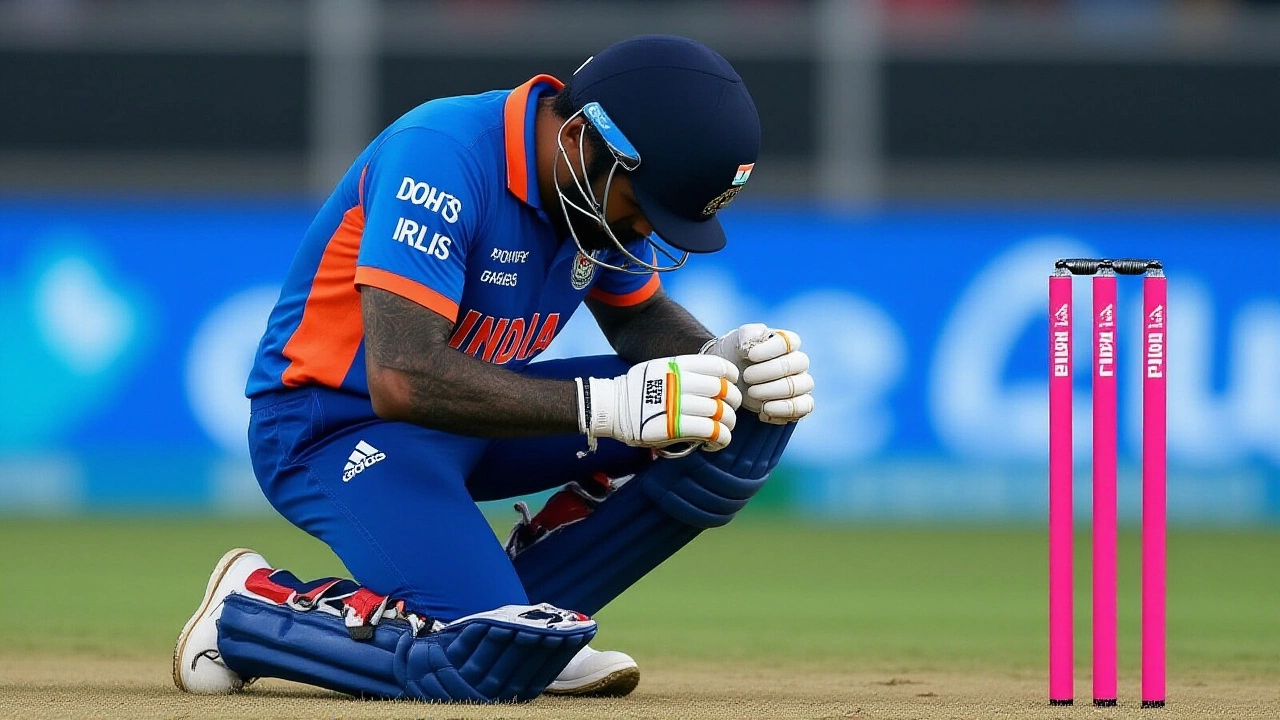
With this victory, India secured their spot in the Super 8 stage of the World Cup. More importantly, they extended their winning streak in the tournament—a psychological edge that will carry them forward. For Pakistan, it’s another heartbreak. Another loss to India. Another missed opportunity.
The head-to-head record now stands at 8-1 in favor of India in T20 World Cups. Yes, you read that right. Eight wins. One loss. This isn’t dominance by chance; it’s consistency born out of better preparation, sharper execution, and mental resilience.
But wait—why does this matter beyond the scoreboard? Because these matches aren’t just games. They’re cultural events. Millions watch. Billions engage online. And every result shapes narratives about national pride, sporting excellence, and geopolitical rivalry.
What Went Wrong for Pakistan?
Pakistan’s campaign started poorly again. Their top order failed to rotate strike effectively. Middle-order batsmen looked uncomfortable against wrist spin. Even Shaheen Afridi, who usually provides early breakthroughs, went wicketless in his spell. Meanwhile, India’s fielding was sharp—every run saved counted.
One key issue: lack of adaptability. When conditions changed slightly after lunch, Pakistan didn’t adjust. India did. That’s the difference between good teams and great ones.
Looking Ahead: Super 8 Challenges
Now comes the tough part. The Super 8 stage promises even higher stakes. India will face stronger opponents, tighter schedules, and greater scrutiny. Can they maintain this level of performance? Only time will tell.
For now, though, celebrations are warranted. Fans across India erupted in joy. Social media lit up with memes, tributes, and analyses. And somewhere in Colombo, a young boy picked up a bat, dreaming of emulating Ishan Kishan’s heroics.
Frequently Asked Questions
Who was the standout player in India's win over Pakistan?
Ishan Kishan emerged as the hero with a rapid-fire 77 off 40 balls. His aggressive yet controlled innings laid the foundation for India’s total and put immense pressure on Pakistan’s chase. Experts praised his timing and shot selection, calling it a masterclass in modern T20 batting.
How does this affect India’s chances in the World Cup?
This win guarantees India a place in the Super 8 stage, boosting both confidence and momentum. With a dominant head-to-head record (8-1) against Pakistan in World Cups, India enters the knockout phase as strong favorites. However, upcoming matches against Australia and England will test their depth and consistency.
Why did Pakistan struggle so much in this match?
Pakistan’s batting lineup lacked cohesion and adaptation. Top-order failures meant the middle order faced fresh attacks under pressure. Spinners Kuldeep Yadav and Varun Chakravarthy exploited any movement on the pitch, while fielding errors were minimal compared to previous encounters. Tactical missteps by captain Salman Agha also contributed to the collapse.
What is the historical context of India vs Pakistan in T20 World Cups?
India leads the overall T20 World Cup head-to-head record 8-1 against Pakistan. This includes victories in 2007, 2016, 2021, and multiple editions since. Pakistan’s sole win came in 2021, but India has consistently outperformed them in high-pressure scenarios, showcasing superior mental toughness and strategic planning.
Where and when did this match take place?
The match was played on Sunday, February 15, 2026, at the R Premadasa Stadium in Colombo, Sri Lanka. It was the 27th fixture of the ICC Men’s T20 World Cup 2026 group stage, drawing global attention due to the historic rivalry between the two nations.